Cute Flower Pot: A Designer’s Review for Real Embroidery Projects
As an embroidery designer who has spent countless hours digitizing, testing, and stitching out thousands of designs, I approach every new machine embroidery design with a critical eye. It is not enough for a pattern to look pretty on a screen; it must perform reliably under the needle. Recently, I evaluated Cute Flower Pot, a charming addition to the Bouquets category, to determine if it holds up in real-world applications. My goal was to see if this design could transition seamlessly from a digital file to a high-quality finished product for my clients and my own craft business.
First Impressions and Visual Personality
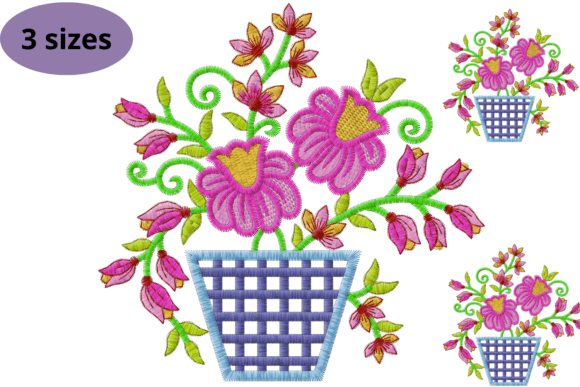
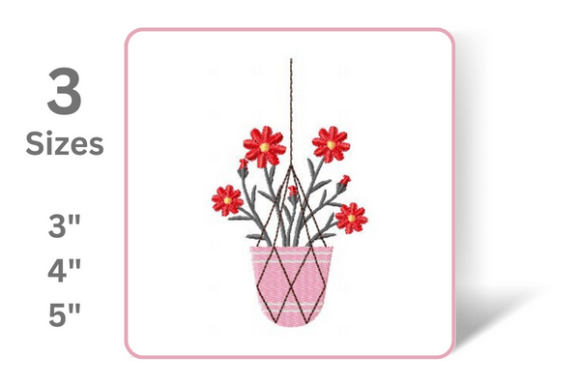
The first thing that strikes you about Cute Flower Pot is its approachable warmth. The layout balances whimsical floral elements with a grounded, structured pot shape, creating a composition that feels both playful and stable. For those of us who specialize in embroidery for home decor and apparel, this visual personality is crucial. It does not scream for attention with overly complex details that might get lost in stitching; instead, it offers clear, readable shapes that translate well to thread.
The mood is undeniably cheerful. When I loaded the embroidery file into my software, I immediately envisioned it on spring-themed items. The design avoids the trap of being too juvenile, making it versatile enough for adult apparel as well as nursery decor. This balance is rare in stock designs, where flowers often lean too heavily into either intricate realism or cartoonish simplicity. Cute Flower Pot sits comfortably in the middle, offering a stylized look that feels modern and fresh.
Real-World Application: The Tote Bag Test
To truly understand the value of a design, you must imagine it on a specific product. I decided to test Cute Flower Pot conceptually for a custom tote bag order. Tote bags are a staple for any Etsy seller or small shop owner because they offer a large, flat canvas. However, canvas fabric can be tricky due to its weave texture.
In this scenario, the design’s clarity becomes its biggest asset. Because the flower and pot shapes are distinct, they do not get muddled by the fabric’s texture. I imagined using a satin stitch for the pot’s rim to give it a polished, raised look, while employing a fill stitch for the flower petals to ensure full coverage. The result would be a tactile, colorful accent that elevates a simple bag into a boutique-style accessory. For a handmade product intended for daily use, this level of visual impact is essential for customer satisfaction.
Versatility Across Product Lines
Beyond tote bags, this design shows promise across a wide range of items. For custom apparel, such as a linen apron or a cotton sweatshirt, the design adds a pop of personality without overwhelming the garment. I can easily see it working as a left-chest motif on a cardigan or a larger central print on a pillow cover. For baby embroidery projects, the soft curves and friendly theme make it an excellent choice for bibs or burp cloths, provided the scale is adjusted appropriately.
If you are a digital embroidery file seller, this type of design is a strong candidate for bundle packs. It appeals to hobbyists looking for quick, satisfying projects and commercial buyers needing reliable assets for their inventory. Whether used for holiday embroidery gifts or everyday personalized gift items, the design’s adaptability increases its commercial value.
Technical Considerations and Stitching Advice
While Cute Flower Pot is visually appealing, practical execution requires attention to detail. As described, this wonderful design can be beautifully embroidered on any fabric you like to work with. However, "any fabric" comes with caveats that every serious embroiderer knows. Here is how I would approach stitching this design to ensure professional results.
- Fabric Selection: While the description suggests versatility, I recommend starting with stable woven fabrics like cotton twill or linen. These materials hold stitches well and minimize distortion. If you are working with stretchy fabrics for sweatshirt embroidery, use a cut-away stabilizer to prevent puckering.
- Stitch Density: Always check the stitch density before running the machine. Floral designs can sometimes have dense fill areas that may cause thread breaks or fabric pull. If the density seems high, consider using a lighter weight thread or adjusting the tension.
- Thread Colors: The design relies on color contrast for definition. Use a contrasting thread for the pot against the background fabric. For the flowers, variegated threads can add depth, but solid colors often provide cleaner readability in smaller sizes.
- Hoop Size: Confirm the hoop size required for the specific file version you purchase. Ensure your design fits comfortably within the hoop with adequate margin for stabilization.
Challenges with Textured and Dark Fabrics
One area where caution is needed is with dark or highly textured fabrics. If you are stitching on a black fleece or a rough burlap, fine details may disappear. In these cases, consider using an applique design technique if the file supports it, or add a backing layer to create contrast. For embroidered patch creation, this design would excel because the stable backing of the patch material supports the stitches perfectly, allowing for crisp edges and vibrant colors.
Commercial Viability and Brand Consistency
For craft business owners, consistency is key. Cute Flower Pot offers a level of professionalism that builds customer trust. When a buyer sees a clean, well-stitched design, they perceive higher value. This design helps maintain brand consistency if your shop focuses on nature-inspired or cozy aesthetics. It is not just a pretty picture; it is a tool for enhancing your small shop product lineup.
Moreover, using reliable designs reduces waste. Fewer failed stitches mean lower material costs and higher profit margins. Whether you are creating printable mockup images for your online store or producing physical inventory for a craft fair, knowing that the design stitches out cleanly saves time and stress.
Final Verdict for Designers and Makers
Before adding Cute Flower Pot to your library, always test it on scrap fabric similar to your final project material. Check the running stitch paths for jumps that might need trimming. Verify the license terms to ensure you can use it for commercial sales if that is your intent. Not all files grant unlimited commercial rights, so clarity here is vital for legal peace of mind.
In conclusion, Cute Flower Pot is a solid choice for designers seeking a versatile, cheerful floral motif. It performs well in standard embroidery scenarios, from tote bag design applications to home decor accents. By paying attention to stabilizer choice and thread contrast, you can transform this digital asset into a stunning finished product that delights customers and enhances your portfolio. It is a design that respects the craft, offering beauty without sacrificing practicality.