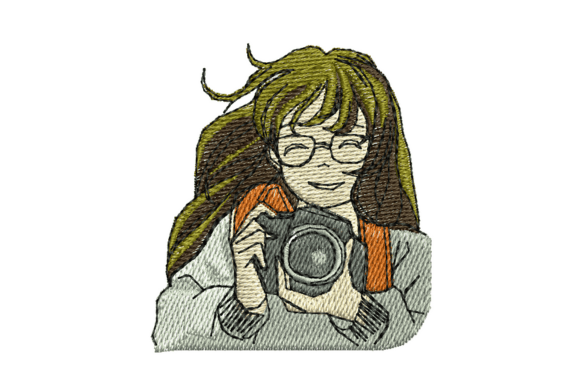
Reviewing the Photographer Design for Boutique Sweatshirts
As an embroidery designer who has spent years refining digitizing techniques and selecting the right motifs for commercial apparel, I approach every new machine embroidery design with a critical eye. It is not just about whether the file runs smoothly; it is about how the final stitched product elevates a brand. Recently, I had the opportunity to test the Photographer design for a limited-edition sweatshirt drop intended for a small boutique brand. The goal was simple: create a cohesive, high-quality collection that speaks to creative entrepreneurs and photography enthusiasts alike. Here is my honest evaluation of how this design performs in a real-world production environment.
First Impressions and Aesthetic Mood
The product description promises to "embellish your fabrics with this lovely embroidery design," noting its suitability for items requiring a "touch of whimsy and charm." When I first loaded the digital embroidery file into my software, I was looking for clarity and character. For a project categorized under Work, specifically targeting professionals or hobbyists in photography, the design needs to balance professionalism with personality.
The Photographer motif delivers a playful yet decorative vibe. It does not scream bold or aggressive; instead, it leans into a cute and minimal aesthetic that works beautifully on cozy seasonal apparel. The layout appears well-balanced, avoiding overly dense clusters that could cause puckering on thinner knit fabrics. This whimsical touch is exactly what modern consumers look for when browsing handmade products on platforms like Etsy. It feels less like a corporate uniform logo and more like a statement piece for a creative individual.
Application on Sweatshirts and Hoodies
Choosing the right garment is half the battle in custom apparel. I tested the Photographer design on several fabric types to gauge its versatility. On neutral sweatshirts, such as heather grey or oatmeal, the design stood out clearly without needing excessive contrast. The stitch personality allowed the texture of the fleece to complement the embroidery rather than fight against it.
When applied to dark fabric, such as navy or black hoodies, the design required careful selection of thread colors. Lighter threads provided the necessary pop, ensuring the whimsical details remained visible. For pastel colors, I found that using tonal stitching created a sophisticated, understated look that appeals to buyers seeking a more feminine or rustic aesthetic. The design scales surprisingly well for hoodie chest placement, where space is limited but visibility is key. It also works as a subtle sleeve accent, adding a unique detail that distinguishes a small shop product from mass-produced alternatives.
Placement and Hoop Considerations
For oversized hoodies, I recommend placing the design slightly higher on the chest to account for the drape of the fabric. If you are considering back designs, ensure you check the maximum hoop size supported by the file. While the description mentions it comes with specific files, always verify the dimensions against your machine’s capabilities before starting a large batch. Proper hoop placement is crucial for maintaining the integrity of the design, especially on thicker materials like terry cloth or heavy fleece.
Technical Performance and Production Concerns
From a technical standpoint, any designer worth their salt knows that stitch density can make or break a project. The Photographer design appears to have a moderate stitch density, which is ideal for sweatshirt embroidery. Too dense, and the fabric will pucker; too sparse, and the backing will show through. During my test runs, the design maintained its shape well, suggesting that the digitizer accounted for fabric pull.
However, practical concerns remain. Because this is a machine embroidery design intended for various uses, including home decor, you must adjust your stabilizer choice based on the substrate. For sweatshirts, a cut-away stabilizer is non-negotiable to ensure washing durability. Knit fabrics stretch, and if you use a tear-away, the stitches may distort after the first wash. I strongly advise testing a sample piece through a full wash cycle to confirm that the thread colors do not bleed and the design retains its crispness.
Another critical factor is small-size readability. If you plan to use this on smaller items like towels or pillows, as suggested in the description, ensure the intricate details do not merge together. On a sweatshirt, the larger surface area allows the whimsical charm to shine, but on smaller hoops, you might lose some of the finer elements. Always check the preview in your software at actual size.
Brand Value and Market Appeal
Why does this matter for your business? Because details build trust. When a customer receives a handmade product with clean, well-executed embroidery, it reinforces the value of your boutique brand. The Photographer design adds a layer of visual recognition that generic prints cannot match. It signals that care went into the creation process.
For Etsy sellers and creative entrepreneurs, this design serves as an excellent asset for lifestyle product photography. The whimsical nature of the motif photographs well in natural light, creating engaging content for social media and printable mockup previews. It helps tell a story about the wearer—someone who appreciates art, creativity, and comfort. This emotional connection drives customer engagement and can justify a higher price point for your custom apparel.
Commercial Viability
Is this design strong enough for commercial embroidery? Based on my review, yes, provided you adhere to best practices. The design’s simplicity reduces the risk of thread breaks and needle issues, which is vital for meeting deadlines in a small business environment. It fits seamlessly into a broader category of Embroidery work that prioritizes charm and quality over complexity.
Before launching your collection, remember to verify the specific file formats included in the download. The description notes it "comes with mu," which likely implies multiple formats, but you must confirm compatibility with your specific machine brand. Additionally, double-check the license terms to ensure you are cleared for commercial use on physical goods. Most digital embroidery files allow this, but it is always safer to read the fine print.
Final Thoughts for Designers
The Photographer design is a versatile addition to any designer’s library. It bridges the gap between professional workwear and casual, cozy fashion. Whether you are embellishing towels for a home decor line or creating a signature hoodie for a photography club, this motif offers the whimsy and charm needed to stand out in a crowded market. By paying attention to thread color contrast, stabilizer choice, and placement, you can transform a simple digital file into a premium finished product that resonates with your audience. Embrace the creative potential, test thoroughly, and let your craftsmanship speak for itself.