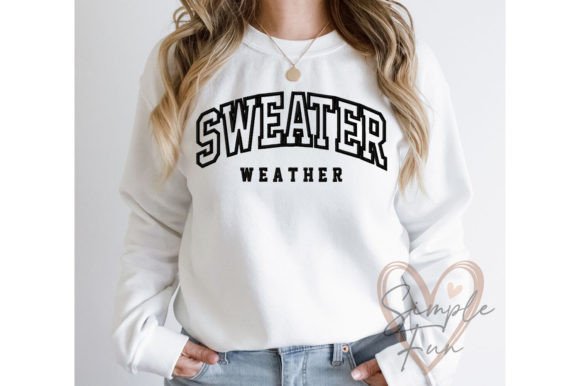
Reviewing the Sweater Weather Applique for Holiday Sales
As an embroidery designer who has spent years navigating the rush of seasonal product launches, I know that timing and aesthetic appeal are everything. When I first loaded the Sweater Weather Applique into my digitizing software, my immediate reaction was one of relief. In a market saturated with generic holiday motifs, this design offers a specific, tactile warmth that resonates deeply with buyers looking for comfort. It is not just a graphic; it is an invitation to coziness.
This review is written from the perspective of a creator planning a seasonal shop collection. If you are an Etsy seller, a craft fair vendor, or a small business owner preparing for the Thanksgiving and winter holiday surge, understanding how this machine embroidery design performs in real-world applications is crucial for your profitability and brand reputation.
First Impressions and Seasonal Mood
The visual language of the Sweater Weather Applique is distinctly rustic yet modern. The combination of text and textured appliqué creates a layered look that mimics the feeling of wearing a favorite knit sweater. This is vital for seasonal embroidery because customers are not just buying a decoration; they are buying an emotion. The design feels nostalgic and cozy, striking a balance that works equally well for a young adult’s trendy sweatshirt and a grandmother’s traditional kitchen decor.
Unlike overly complex designs that can look cluttered when stitched out, this piece relies on the interplay between the fabric of the appliqué and the stitching. This simplicity is a strength. It allows the thread colors to shine without overwhelming the garment. For those creating handmade gift items, this approachable aesthetic lowers the barrier for customers who might be intimidated by more ornate or formal holiday designs.
Strategic Product Applications
To maximize sales, you must place the right design on the right product. Here is how I envision using this embroidery file across a diverse product line:
- Sweatshirt Embroidery: This is the primary use case. The large surface area of a crewneck or hoodie allows the appliqué to breathe. Use neutral tones like cream, oatmeal, or soft gray for the appliqué fabric to enhance the "sweater" illusion.
- Tote Bag Design: Canvas totes are huge sellers during the holiday shopping season. Placing this design on a sturdy canvas bag creates a practical, reusable item that shoppers love for carrying gifts.
- Kitchen Towel Embroidery: For Thanksgiving hosts, embroidered linens add a premium touch. Ensure you use a high-quality stabilizer to prevent puckering on thinner cotton towels.
- Pillow Cover: Home decor items have a higher perceived value. A square pillow with this design becomes a centerpiece for autumn living rooms.
- Embroidered Patch: If you want to offer versatility, stitch this onto twill and sell it as an iron-on or sew-on patch. This appeals to customers who want to customize their own jackets or bags.
Each of these applications taps into different buyer intents. The sweatshirt is for personal wear, the tote is for utility, and the pillow is for home ambiance. By offering the same digital embroidery file across these categories, you create a cohesive brand presence.
Navigating Technical Challenges
While the design is beautiful, experienced creators know that appliqué requires precision. There are specific scenarios where you must exercise caution to ensure a high-quality finished product.
First, consider the hoop size. Appliqué designs generally require a larger hoop to accommodate the fabric patch and the tack-down stitches. Always check the specific dimensions provided with the file before starting. If you are working with a smaller hoop, you may need to resize the design, but be wary of distorting the text legibility.
Second, pay attention to stitch density and fabric type. When stitching on stretchy garments like fleece or jersey knits, the weight of the appliqué fabric combined with the satin stitches can cause dragging. Use a cut-away stabilizer rather than tear-away to provide permanent support. For dark fabrics, ensure your tack-down stitches are dense enough to cover the base material, or choose an appliqué fabric that contrasts sharply for a bold look.
Third, be mindful of tiny details. If you plan to scale this down for smaller items like baby onesies or ornaments, test stitch it first. Small lettering can become difficult to read if the scale is reduced too much. Always prioritize clarity over size.
Boosting Perceived Value and Trust
In the competitive world of online selling, visual recognition is key. The Sweater Weather Applique helps build brand consistency because it is versatile enough to fit various color palettes while maintaining its identity. When customers see this design on multiple products in your shop, it reinforces a professional, curated feel.
For Etsy seller success, presentation matters. Create realistic mockups that show the texture of the appliqué fabric. A flat digital image does not convey the tactile quality of the design. Use photos that highlight the raised edges of the appliqué and the sheen of the thread. These printable mockup strategies help customers visualize the personalized gift potential, increasing conversion rates.
Furthermore, this design supports the creation of gift bundles. Imagine pairing an embroidered tote with a matching kitchen towel. Bundles increase average order value and simplify the shopping experience for busy holiday buyers. The cohesive look of the holiday embroidery ties these items together seamlessly.
Practical Designer Notes for Production
Before you list this as a small shop product, follow these practical steps to ensure quality control:
- Test Thread Colors: Stitch samples on both light and dark fabrics. Autumnal tones like burnt orange, deep red, and mustard yellow work well, but ensure they contrast sufficiently with the background fabric.
- Confirm Stabilizer: Appliqué shifts easily. Use a high-quality stabilizer appropriate for your fabric weight. For towels, a water-soluble topping can help keep stitches clean on textured surfaces.
- Check Commercial Licensing: Always verify the license terms included with the commercial embroidery file. Ensure you are compliant with usage rights for selling finished physical goods.
- Review Details: After stitching, trim the appliqué fabric close to the satin stitch border without cutting the threads. Clean finishing is what separates amateur work from professional-grade items.
By treating the Sweater Weather Applique with care and strategic planning, you can create a standout collection for the Thanksgiving and winter seasons. It is more than just a design; it is a tool for connecting with customers who crave warmth and tradition in their holiday celebrations. Whether you are decorating apparel or home goods, this design offers the flexibility and charm needed to succeed in today’s handmade market.