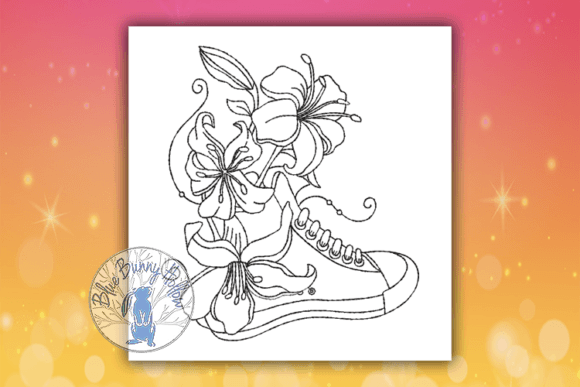
Spring Sneaker 6: A Designer’s Review for Merch
As an embroidery designer who has spent years digitizing files and consulting with small business owners, I approach every new machine embroidery design with a critical eye. It is not enough for a pattern to look pretty on a screen; it must perform flawlessly on fabric, withstand washing, and elevate the brand identity of the client using it. Recently, I reviewed Spring Sneaker 6, a piece that immediately caught my attention for its potential in the commercial Sewing and Embroidery markets. This is not just a decorative motif; it is a strategic asset for brands looking to blend lifestyle aesthetics with professional craftsmanship.
First Impressions: Visual Personality and Style
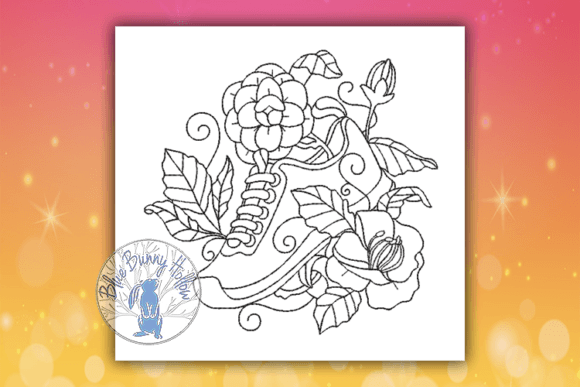
The first thing you notice about Spring Sneaker 6 is its charming duality. The description highlights an eye-catching redwork embroidery design featuring a stylish tennis shoe adorned with delicate flowers. In the world of digital embroidery file selection, finding a balance between modern sportiness and organic softness is rare. This design feels both playful and elegant. It does not scream "athletic wear" in a aggressive way, nor does it feel overly rustic. Instead, it sits comfortably in a modern, handmade niche that appeals to boutique owners, florists, and creative studios.
The use of redwork—a style traditionally known for its single-color outline stitching—suggests a clean, classic look. However, the addition of floral elements transforms it from a simple icon into a narrative piece. For a small business owner, this visual personality communicates approachability and attention to detail. It suggests a brand that values comfort (the sneaker) but also appreciates beauty and growth (the flowers). This makes it an excellent candidate for brands that want to appear friendly yet premium.
Real-World Applications for Small Business Merch
When evaluating Spring Sneaker 6 for small business merch, I look at versatility. This design is not limited to one type of product. Here is how it performs across various commercial applications:
- Embroidered Patches: This is perhaps the strongest use case. The distinct outline of the sneaker provides a clear boundary for cutting. A patch allows customers to buy a standalone item or attach it to jackets and bags later, increasing the perceived value of the finished product.
- Apron Embroidery: For bakeries, florists, or craft cafes, this design works beautifully on the chest pocket of an apron. It adds a touch of whimsy to staff uniforms without looking unprofessional.
- Tote Bag Design: Canvas tote bags are a staple for eco-conscious brands. The redwork style translates well to the textured surface of canvas, offering a subtle yet recognizable brand mark.
- Cap Embroidery: Placing this on the side panel or back of a cap can be effective. However, the curved surface requires careful digitizing to ensure the floral details do not distort.
- Custom Apparel: On t-shirts or hoodies, this design serves as a great left-chest accent. It is small enough to be subtle but detailed enough to draw interest during conversations.
Technical Considerations and Production Notes
While the aesthetic appeal is high, any experienced embroiderer knows that technical execution determines success. Before running Spring Sneaker 6 on a production machine, there are several factors to consider regarding stitch density and fabric interaction.
Redwork designs typically rely on running stitches or satin stitches for outlines. If the stitch density is too low, the lines may look sparse on thick fabrics like denim or canvas. If it is too high, it can cause puckering, especially on lighter materials like cotton tees. I recommend testing this design on the exact fabric you intend to use for your custom apparel. Always use the appropriate stabilizer; a cut-away stabilizer is often safer for items that will be washed frequently, such as uniforms or tote bags, to maintain shape over time.
Another critical factor is thread colors. While redwork traditionally uses one color, this design’s floral elements might benefit from a two-tone approach to highlight the petals against the shoe outline. However, keep contrast in mind. If you are embroidering on dark uniforms, ensure the thread color pops. A test run in black and white is a smart move to check clarity before committing to branded colors.
Navigating Challenges in Placement
There are areas where Spring Sneaker 6 should be used with caution. The delicate flowers, while beautiful, contain fine details. If you attempt to shrink this design for a very small embroidered patch or a tiny label, those floral details may merge together and become indistinguishable. Always check the minimum recommended size provided with the embroidery file.
Additionally, consider the hoop size relative to the garment. Embroidering on curved surfaces like cap fronts or sleeve cuffs requires precise hooping. The asymmetrical nature of a sneaker with flowers means the design has a specific orientation. Ensure your digitizing software has optimized the pull compensation for these curves to prevent distortion.
Enhancing Brand Identity and Customer Trust
Why does this matter for your bottom line? Because consistent, high-quality design assets build trust. When a customer receives a tote bag or shirt with a crisp, well-executed Spring Sneaker 6 embroidery, they perceive the brand as professional and established. It moves the item from a generic promotional giveaway to a desirable handmade product.
For Etsy sellers and crafters, this design offers a unique selling point. It is not a generic clip-art style image; it has character. Using it in your printable mockup galleries can help visualize the end result for clients, boosting conversion rates. It signals that your brand understands current trends—combining wellness (walking/sneakers) with nature (flowers)—which resonates deeply with modern consumers.
Final Verdict for Commercial Use
Spring Sneaker 6 is a versatile and visually engaging option for businesses in the lifestyle, retail, and service sectors. It bridges the gap between casual and curated. However, before launching a full production run, verify the specific technical details. Check the included embroidery file formats to ensure compatibility with your machine. Confirm the commercial licensing terms to ensure you have the right to sell products made with this design.
Test it on scrap fabric first. Create a printable mockup to show your team or clients. Compare it beside your other design assets to ensure visual consistency. If executed with care, respecting the limits of fabric texture and stitch capabilities, this design can become a signature element of your brand’s visual language. It is more than just a shoe with flowers; it is a tool for storytelling through commercial embroidery.