Tooth Embroidery Design: A Designer’s Practical Review
As an embroidery designer who spends countless hours digitizing and testing files for commercial use, I have learned that not every machine embroidery design is created equal. Some look stunning in a thumbnail but fail under the needle, while others offer robust stitch paths that hold up to frequent washing and wear. Recently, I evaluated the Tooth design available on Creative Fabrica to determine if it deserves a spot in my active library of design assets. This review focuses on real-world application, examining how this file performs when moved from the digital screen to actual fabric.
First Impressions and Visual Appeal
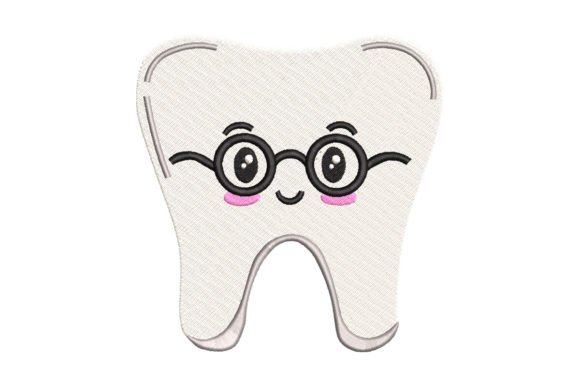
The first thing that strikes you about the Tooth design is its inherent charm and freshness. It does not rely on overly complex shading or excessive density to make an impact. Instead, it offers a clean, playful aesthetic that fits naturally within the Boys category, though its appeal is certainly broad enough for gender-neutral projects. The visual mood is lighthearted, making it an excellent candidate for items that require a touch of whimsy without appearing childish or cluttered.
From a technical standpoint, the design appears to balance open spaces with defined outlines. This is crucial for maintaining stitch integrity, especially when working with textured fabrics. The stitching personality suggests a mix of techniques, likely utilizing satin stitch for borders and fill stitch for broader areas, ensuring the final product has dimension without becoming too stiff. For designers looking to add character to their portfolio, this embroidery file presents a versatile option that can be scaled for various applications.
Real-World Project Applications
When considering where to place Tooth, my mind immediately went to high-turnover items in my handmade shop. The design’s simplicity makes it ideal for custom apparel such as children’s t-shirts or toddler sweatshirts. Because the motif is distinct and recognizable, it works beautifully as a focal point on the chest or sleeve. I also see significant potential for using this design on tote bag design projects. Canvas bags benefit from bold, clear embroidery, and this design provides enough visual weight to stand out against natural cotton fibers.
Beyond apparel, home decor items are a strong match. Imagine this stitched onto a kitchen towel or an apron. The "freshness" mentioned in the product description translates well to culinary textiles, adding a playful element to functional items. For those selling at craft fairs, this design could be adapted into an embroidered patch. Patches are currently trending, and a well-digitized tooth motif could appeal to parents looking for unique accessories for denim jackets or backpacks. Additionally, it serves as a delightful accent for nursery decor, such as pillow covers or small wall hangings, providing a cohesive theme for a child’s room.
Technical Performance and Stitching Considerations
While the aesthetic is promising, the practical execution requires careful attention. One of the primary concerns with any new digital embroidery file is stitch density. If the design is too dense, it can cause puckering, especially on stretchy fabrics like jersey knits used for sweatshirts. Conversely, if it is too sparse, the fabric may show through, ruining the visual clarity. Based on the description, this design aims for charm rather than heavy coverage, which suggests a moderate density that should be manageable with the right stabilizer.
For curved surfaces, such as caps, the design’s size and complexity must be considered. Small, intricate details can get lost or distort on the curved panel of a baseball cap. However, if the Tooth design maintains clean lines and avoids tiny, isolated stitches, it could work well for headwear. I recommend running a test stitch on a scrap piece of similar fabric before committing to a final product. This allows you to check thread tension and ensure that the thread colors provide sufficient contrast against the background material.
Dark fabrics present another challenge. Light-colored threads on dark fabric require precise registration to avoid gaps. If this design includes fine details, using a lighter stabilizer or even a backing layer of white fabric might be necessary to ensure the embroidery pops. Always verify the recommended hoop size listed on the Creative Fabrica product page. Trying to force a design into a hoop that is too small can lead to misalignment and wasted materials.
Enhancing Product Value and Brand Consistency
Incorporating high-quality designs like Tooth into your product line can significantly enhance perceived value. Customers often associate clean, professional embroidery with higher quality craftsmanship. When you use a well-digitized file, the finished product looks polished, which builds buyer trust. This is particularly important for Etsy sellers and boutique owners who rely on repeat customers and positive reviews.
Furthermore, this design lends itself well to creating a cohesive brand identity. If your shop specializes in playful, fresh, or child-friendly items, Tooth fits seamlessly into that narrative. It can be used across multiple product types, from personalized gift items like baby blankets to seasonal handmade gifts. Consistency in design style helps customers recognize your brand, fostering loyalty and engagement.
Photography also benefits from clear, charming embroidery. A well-stitched design photographs better, allowing for more attractive printable mockup creations and social media content. High-quality images drive clicks and conversions, making the initial investment in a good design file worthwhile for your marketing efforts.
Practical Tips for Commercial Use
Before listing any commercial embroidery products featuring this design, there are several steps you must take to ensure professionalism and compliance. First, always read the license terms provided on the Creative Fabrica product page. Understanding whether the file allows for unlimited physical sales or if there are restrictions is vital for protecting your business.
- Test on Scrap Fabric: Never stitch a new design directly on a customer’s garment. Use scraps of the same material to test tension and density.
- Check Thread Contrast: Ensure your thread colors stand out against the fabric. Poor contrast can make the design look muddy or indistinct.
- Review Stitch Density: If the design feels stiff after stitching, consider adjusting your stabilizer type or checking if the file has unnecessary underlay stitches.
- Confirm Hoop Size: Verify that the design fits comfortably within your machine’s hoop without requiring excessive re-hooping, which can cause alignment issues.
- Inspect Small Details: After stitching, examine the smallest elements of the design. Are they secure? Do they pull or fray? Address any issues before producing bulk orders.
Ultimately, the Tooth design offers a refreshing option for designers looking to expand their repertoire of playful, high-quality motifs. By approaching it with a critical eye and adhering to best practices in Embroidery production, you can create finished products that delight customers and strengthen your brand. Whether you are decorating aprons, creating custom patches, or embellishing home decor, this file has the potential to become a staple in your creative toolkit, provided you validate its technical specifications against your specific machine and material needs.