Water Tap Embroidery: A Designer’s Review for Craft Fair Success
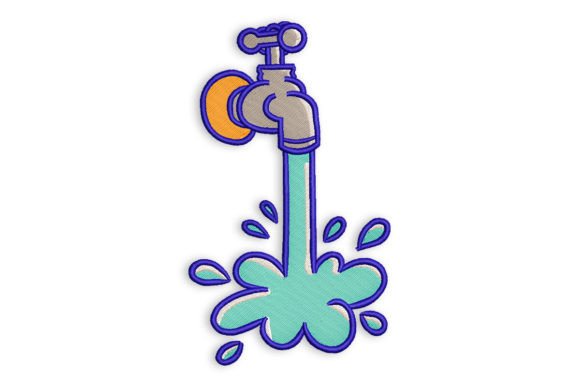
As an embroidery designer who has spent countless weekends behind a craft fair table, I have learned that not every design translates well from the screen to the hoop. When I first loaded the Water Tap machine embroidery design into my software, I was looking for more than just cute lines; I was looking for a product that would stop a browser in their tracks. This design, described as a water drawing and kitchen sign, offers a unique blend of utility and whimsy that appeals directly to the modern handmade market.
The first impression of Water Tap is distinctly modern with a touch of rustic charm. It does not scream "farmhouse" in the traditional, cluttered sense, nor is it overly minimal to the point of being boring. Instead, it strikes a balance that feels premium and intentional. For those of us selling at local markets or running an online Etsy shop, this aesthetic is gold. It suggests cleanliness, freshness, and home comfort—emotions that drive sales in the kitchen category.
Why Water Tap Works for Handmade Products
When evaluating a new digital embroidery file, I always ask myself: where does this belong? The versatility of Water Tap is its strongest asset. It is not limited to a single item. I can envision this design becoming a staple in a small shop product line because it adapts seamlessly to various textiles.
- Tote Bag Design: Placed centrally on a canvas tote, the design acts as a bold statement piece. Shoppers love functional art, and a bag that celebrates the kitchen heart of the home is an easy sell.
- Apron Embroidery: This is perhaps the most natural fit. An apron with a subtle yet clear water tap motif feels professional and thematic. It elevates a simple garment into a giftable item for chefs and home cooks alike.
- Tea Towel Embroidery: Kitchen towels are high-volume craft fair products. Because Water Tap is likely compact enough to fit standard towel hems, it allows for batch production without excessive hoop time.
- Embroidered Patch: If the design holds up at smaller sizes, turning it into an iron-on or sew-on patch opens up revenue streams for customers who want to customize their own gear.
The key here is recognition. At a busy craft fair, customers scan tables quickly. A design that is instantly understandable as a "kitchen sign" or water motif creates an immediate mental connection. They do not have to guess what it is. This clarity reduces friction in the buying process.
Production Realities and Practical Selling Points
While the aesthetic appeal is strong, we must discuss the practicalities of turning this design into a finished product. As a commercial embroidery practitioner, I look closely at stitch density and thread colors. A design that is too dense can pucker lightweight fabrics like linen or cotton tea towels. Conversely, if the stitch density is too low, the fabric may show through, ruining the visual appeal.
Before committing to a large run, you must test the design on scrap fabric. Check how the threads interact with the fabric texture. Thick, textured towels can sometimes swallow up fine details, so ensure the lines of the water tap remain crisp. If the design includes small lettering or intricate droplets, verify that these elements do not merge during stitching. A loss of clarity at smaller sizes can make a premium design look amateurish.
Another critical factor is the hoop size. Since the product description mentions multiple embroidery file formats, you likely have options for different hoops. Choose the size that maximizes visibility without overcrowding the item. For a cap, a smaller hoop is necessary, but ensure the curved surface does not distort the image. For pillow covers or larger tote bags, you can afford to let the design breathe.
Visual Appeal and Brand Consistency
Consistency is what builds a brand. If your booth features a mix of chaotic patterns and clean, thematic designs, Water Tap helps anchor your collection. It signals to the buyer that you curate your offerings with care. When displayed alongside other kitchen-themed items, such as oven mitts or pot holders, it strengthens the narrative of your booth. It tells a story of a home that values both function and beauty.
Photography plays a massive role for the Etsy seller. This design photographs exceptionally well because of its inherent simplicity. Use natural light to highlight the sheen of the thread against matte fabric. Create at least one real mockup rather than relying solely on digital renderings. Show the design on a crumpled towel or a worn-in apron to evoke emotion. These printable mockup styles help online buyers visualize the texture and quality of the handmade product.
Careful-Use Notes for Designers
To ensure your commercial embroidery efforts yield high-quality results, keep these technical notes in mind:
- Stabilizer Selection: Always use the right stabilizer for your fabric weight. Cut-away stabilizer is often safer for items that will be washed frequently, like kitchen towels, to prevent distortion over time.
- Thread Contrast: Test different thread colors. While blue is obvious for water, consider teal, grey, or even white-on-white for a subtle, elegant look. High contrast grabs attention, but low contrast feels luxurious.
- Dark Fabric Challenges: If stitching on dark navy or black fabrics, ensure the design has enough saturation. Thin lines may disappear. You might need to adjust underlay stitches or choose brighter thread colors to maintain visibility.
- Licensing Verification: Before selling any finished product, confirm the commercial licensing terms of the digital embroidery file. Ensure you are compliant with the creator’s rules regarding mass production versus small shop limits.
Final Verdict for the Craft Fair Booth
In the competitive world of handmade goods, Water Tap stands out as a reliable, versatile asset. It is not just a design; it is a solution for sellers looking to expand their kitchen category without sacrificing style. It works as a small accent on a pocket or a large focal point on a tote. It is repeatable for batch production, which is essential for meeting demand during holiday markets.
For the creative entrepreneur, this design offers a low-risk, high-reward opportunity. It appeals to a broad demographic, from young couples setting up their first home to seasoned cooks who appreciate quirky kitchen decor. By paying attention to stitch density, fabric choice, and presentation, you can transform this simple water drawing into a best-selling item. Remember, the goal is not just to sew a design, but to create a feeling of home. Water Tap achieves this with ease, making it a worthy addition to your design assets and a strong contender for your next craft fair display.