Wine Tasting: A Designer’s Review for Craft Fair Success
As an embroidery designer who has spent countless weekends behind a booth table, I know that not every machine embroidery design translates well to the fast-paced environment of a handmade market. When I first loaded the Wine Tasting file into my software, I was looking for more than just aesthetic appeal. I was evaluating its potential as a high-converting craft fair product. This review breaks down how this intricate linework design performs in real-world scenarios, from the stitching process to the final sale.
First Impressions and Visual Appeal
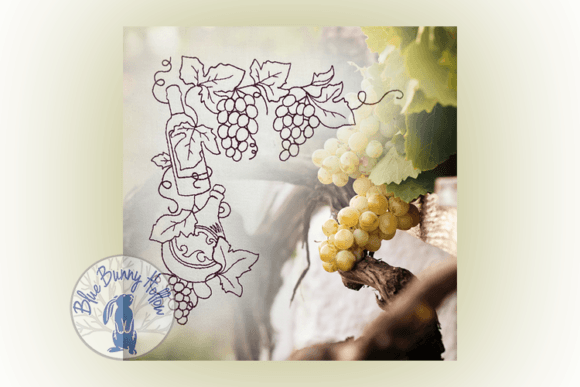
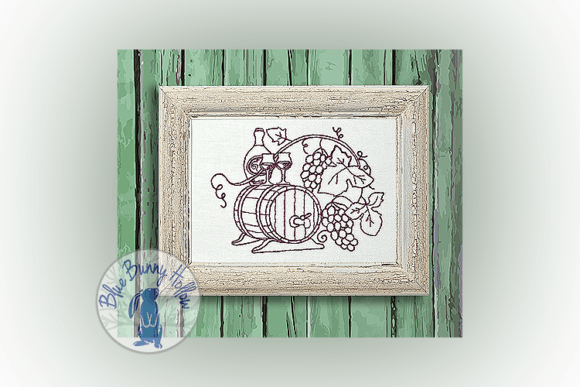
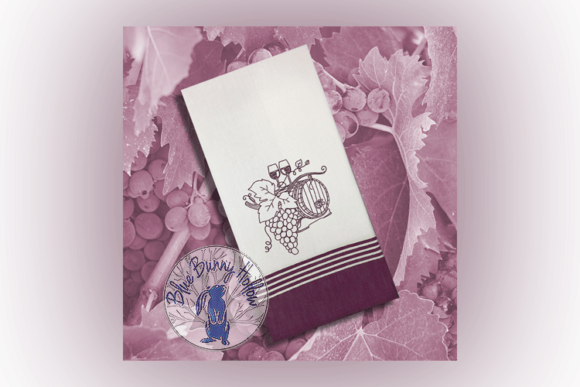
The title Wine Tasting suggests sophistication, and the description delivers on that promise. Indulging in the art of wine, this exquisite linework embroidery design captures the essence of wine culture with a detailed wine barrel and stemmed wine glasses. My immediate impression was that this design leans heavily into the elegant and rustic categories. It is not cartoonish or overly cute; instead, it offers a premium feel that appeals to adult buyers looking for refined home decor or accessories.
For a small shop product, visual clarity is paramount. The linework style ensures that the design remains readable even from a distance. At a busy craft fair, customers scan tables quickly. A design that relies on fine details can sometimes get lost, but the bold outlines of the barrel and glasses in Wine Tasting create a strong silhouette. This makes it an excellent choice for catching the eye of passersby who appreciate the slow living or farmhouse aesthetic.
Product Versatility for Handmade Sellers
One of the most critical factors for any Etsy seller or boutique maker is versatility. A single digital embroidery file needs to work across multiple product lines to maximize return on investment. Here is how Wine Tasting performs on various items:
- Tote Bags: This is arguably the best application for this design. A canvas tote provides a large, flat surface that allows the intricate linework to shine. As a tote bag design, it appeals to wine lovers who want a stylish alternative to plastic bags for their grocery runs or bottle shops.
- Aprons: An apron embroidery project using this motif creates an instant heirloom-quality item. Placed on the bib or the lower skirt, the wine barrel and glasses add a thematic touch perfect for hostess gifts.
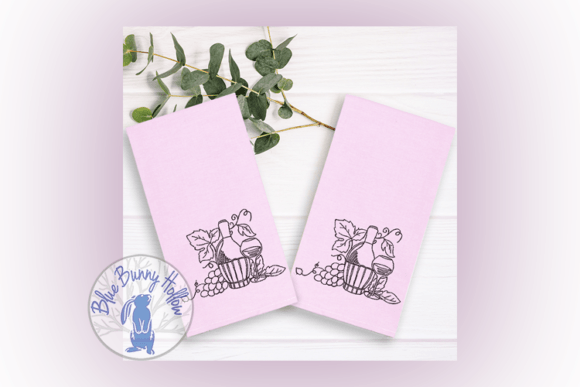
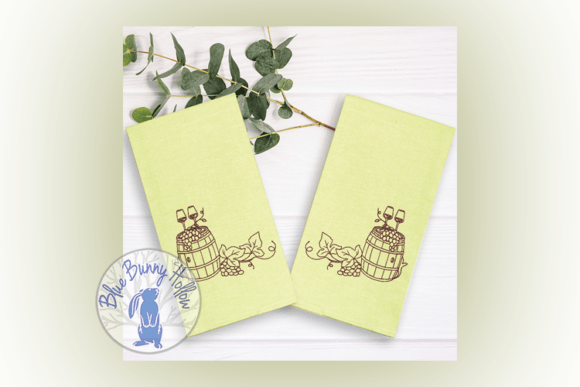
- Tea Towels: For tea towel embroidery, scale is crucial. You must ensure the design fits within the standard hemmed area. The linework style works well here because it does not require excessive fill stitches, keeping the towel soft and absorbent.
- Embroidered Patches: Creating an embroidered patch with this design allows you to offer a lower-price-point item. However, you must be cautious with the tiny details of the wine glasses to ensure they do not merge during stitching.
Beyond these, consider pillow covers and market bags. The design’s neutral elegance means it pairs well with natural fibers like linen and cotton, enhancing the perceived value of your handmade product.
Production Practicality and Stitch Density
From a production standpoint, linework designs are generally faster to stitch than full-fill designs, but they come with their own challenges. When reviewing Wine Tasting, I paid close attention to the stitch density. Linework relies on precise travel stitches and clean stops. If the tension is off, gaps may appear in the lines, ruining the crisp look.
For batch production at a craft fair, consistency is key. You need to know that the hundredth item looks as good as the first. This design appears repeatable, provided you use the correct stabilizer. For lightweight fabrics like tea towels, a cut-away stabilizer might be too stiff, so a high-quality tear-away or wash-away backing is essential to maintain the drape of the fabric while supporting the stitches.
Another consideration is thread colors. Since this is a linework design, the contrast between the thread and the fabric is vital. Dark threads on light fabric will make the wine barrel and glasses pop, while metallic threads could add a festive, premium touch for holiday markets. Always test your thread choices on scrap fabric before committing to your final inventory.
Careful-Use Notes for Embroiderers
While Wine Tasting is a beautiful asset, there are specific scenarios where it requires careful handling. Tiny details, such as the stems of the wine glasses, can be problematic on textured materials. If you are stitching on a thick, waffle-weave towel, the needle may struggle to penetrate evenly, or the small stitches may sink into the texture, losing clarity.
Additionally, curved surfaces like caps present a challenge. The horizontal expanse of the wine barrel might distort if not hooped correctly with a sturdy cap frame. Always check the hoop size requirements against your machine’s capabilities. If the design is too large for your standard hoop, you may need to split it or choose a different product, such as a larger tote or pillow cover.
Dense stitch areas should be inspected closely. Although described as linework, any overlapping lines or solid elements in the barrel detail could cause puckering on thin fabrics. Use a top-loading stabilizer if necessary to prevent this. Furthermore, avoid using this design on very dark fabrics unless you are confident in your ability to digitize or adjust underlay stitches for visibility, as black-on-black linework can disappear in low-light booth settings.
Boosting Brand Consistency and Sales
Incorporating Wine Tasting into your lineup can significantly strengthen your brand identity if you position yourself as a provider of sophisticated, lifestyle-oriented goods. It signals to customers that your finished product is thoughtful and curated. This emotional connection drives buyer engagement.
To maximize sales, create a printable mockup or a physical sample display that shows the design in context. Place an embroidered tote next to a bottle of wine and some greenery. This staging helps customers visualize the item in their own homes. For online listings, high-quality photos of the stitch detail are essential. Close-ups of the wine glass stems and barrel texture demonstrate the quality of your commercial embroidery work.
Remember, before selling any design assets or finished goods, always confirm the commercial licensing terms of the embroidery file. Ensure you have the right to sell physical items made with this design. Check the specific file format compatibility with your machine to avoid last-minute conversion issues.
Final Verdict for Craft Fair Sellers
The Wine Tasting design is a strong contender for any embroidery business targeting the home decor and accessory market. Its elegant linework offers a balance of detail and readability that works well for both small accents and focal points. By paying attention to fabric texture, stabilizer choice, and thread contrast, you can produce high-quality items that stand out in a crowded marketplace.
Whether you are an experienced Etsy seller or a newcomer to craft fairs, this design provides the versatility needed to build a cohesive product line. Test it on scrap fabric, refine your hooping technique, and watch how this exquisite masterpiece enhances your booth display. With the right presentation, Wine Tasting is not just a design; it is a tool for growing your creative enterprise.