Cheese Slice: A Whimsical Design Review for Embroidery Projects
As a designer who has spent countless hours staring at digitized files and watching needles punch through fabric, I have learned that the charm of a design often lies in its simplicity. When I first loaded the Cheese Slice embroidery design into my software, I was not looking for complexity. I was looking for character. In the world of machine embroidery, especially within the Food category, there is a fine line between cute and cluttered. This particular motif manages to walk that line with confidence, offering a playful aesthetic that translates well from screen to stitch.
First Impressions and Visual Personality
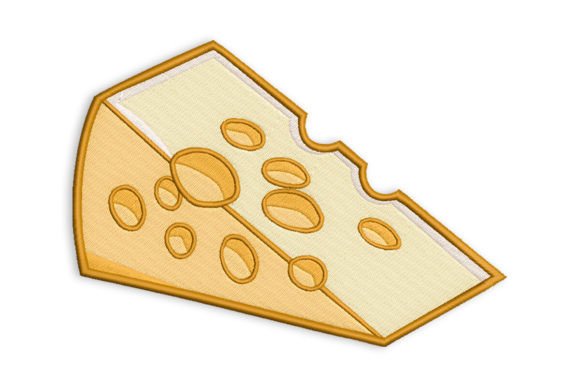
The immediate mood created by Cheese Slice is one of lighthearted whimsy. It does not try to be a photorealistic wedge of cheddar; instead, it embraces the stylized nature of embroidery. The shape is clean, with defined edges that suggest the iconic triangular cut we all recognize. For an experienced eye, the layout feels balanced. There is enough negative space to let the design breathe, which is crucial when working with smaller hoop sizes or delicate fabrics.
The detail level is appropriate for its intended use. It avoids excessive micro-stitching that can cause thread breaks or puckering, relying instead on solid shapes and clear outlines. This visual personality makes it versatile. It feels at home on a modern kitchen towel just as much as it does on a trendy tote bag. It is the kind of graphic that invites a smile, which is exactly what many customers are looking for when they buy handmade products.
Real-World Application: The Custom Tote Bag Test
To truly evaluate any embroidery file, you must imagine it in a real-life scenario. Recently, I was preparing a batch of custom canvas tote bags for a local farmer’s market vendor. She wanted something that screamed "fresh" and "fun" without being overly literal. Cheese Slice fit the brief perfectly. I placed the design on the lower right corner of the bag, using a vibrant yellow thread for the body and a subtle orange for the holes.
The result was striking. On the textured surface of the canvas, the satin stitch borders held up beautifully, providing a crisp definition against the weave of the fabric. The fill stitch inside the slice was dense enough to cover the material completely but not so heavy that it distorted the bag’s structure. This is where practical design judgment comes in. A less optimized design might have pulled the fabric, creating unsightly wrinkles. Cheese Slice, however, sat flat and professional. It transformed a plain utility item into a boutique-style accessory that customers were eager to purchase.
Versatility Across Product Lines
Beyond tote bags, this design shows promise across various categories. For sweatshirt embroidery, the bold lines ensure visibility even from a distance. Imagine a oversized crewneck with this small motif on the chest pocket area; it adds a touch of personality without overwhelming the garment. For baby embroidery, the soft, rounded edges of the cheese slice make it friendly and approachable, suitable for bibs or onesies, provided you use soft threads and appropriate stabilizers.
Etsy sellers and small shop owners will appreciate how easily this design integrates into seasonal collections. It works wonderfully for holiday embroidery themes, such as a charcuterie board gift set or a cozy movie-night blanket. As a digital embroidery file, it serves as a valuable asset for craft businesses looking to expand their product range without investing in complex new digitizing work.
Technical Considerations and Fabric Compatibility
While Cheese Slice is robust, it is not immune to the challenges of physical stitching. Here is where you need to exercise caution. If you are working with thin or stretchy fabrics, such as jersey knits for t-shirts, the stitch density becomes a critical factor. Although the design appears moderate, always test on scrap fabric first. A heavy stabilizer is non-negotiable here to prevent the knit from stretching out of shape during the hooping process.
Dark fabrics present another consideration. The cheerful yellow of the cheese requires high contrast to pop. If you are stitching on navy or black, ensure your thread colors are vibrant and consider using an underlay stitch that helps bridge the gap between the dark fabric and the light top threads. Without proper contrast, the details of the holes in the cheese might get lost, reducing the clarity of the finished product.
Curved surfaces, like caps or hats, require careful placement. The triangular shape of the slice can look distorted if placed too close to the seam or the edge of the cap’s front panel. I recommend centering it precisely and using a stiff backing to maintain the integrity of the design on the curved brim area.
Enhancing Brand Value and Customer Trust
From a business perspective, the quality of your embroidery directly impacts customer trust. A clean, well-executed Cheese Slice design signals professionalism. It shows that you care about the details, from the thread tension to the choice of fabric. This attention to detail enhances the perceived value of your handmade product. Whether you are selling personalized gifts or commercial embroidery items, consistency in quality builds brand recognition.
For digital product sellers, offering this design as part of a bundle can increase buyer engagement. When customers see a design that is easy to stitch and looks great in printable mockups, they are more likely to purchase. It reduces the anxiety of "will this stitch out well?" because the visual cues suggest reliability.
Practical Designer Notes for Best Results
Before you commit to a large production run or list a new item in your shop, keep these practical tips in mind:
- Test on Scrap Fabric: Always run a test stitch on the same type of fabric you plan to use for the final product. This helps you identify any potential issues with tension or registration.
- Check Thread Color Contrast: Use a color chart to select threads that stand out against your background fabric. High contrast ensures the design remains legible and attractive.
- Review Stitch Density: If your machine allows, adjust the density settings if you find the design too heavy for lightweight materials. Less is often more when dealing with delicate textiles.
- Confirm Hoop Size: Ensure the design fits comfortably within your hoop, leaving enough margin for the frame to grip the fabric securely without touching the stitches.
- Use Proper Stabilizer: Match your stabilizer to your fabric. Cut-away for knits, tear-away for wovens, and wash-away for sheer or delicate materials.
- Verify Licensing: Before selling finished items or digital products, confirm the license terms associated with the embroidery file. Respect intellectual property rights to maintain a reputable craft business.
In conclusion, Cheese Slice is a delightful addition to any designer’s library. It balances fun and function, offering a versatile motif that performs well in real-world embroidery projects. By understanding its strengths and respecting its technical requirements, you can create stunning, high-quality products that resonate with customers and elevate your brand.